AI DeFi Trading Guide: Smart Crypto Swap Strategies for 2026

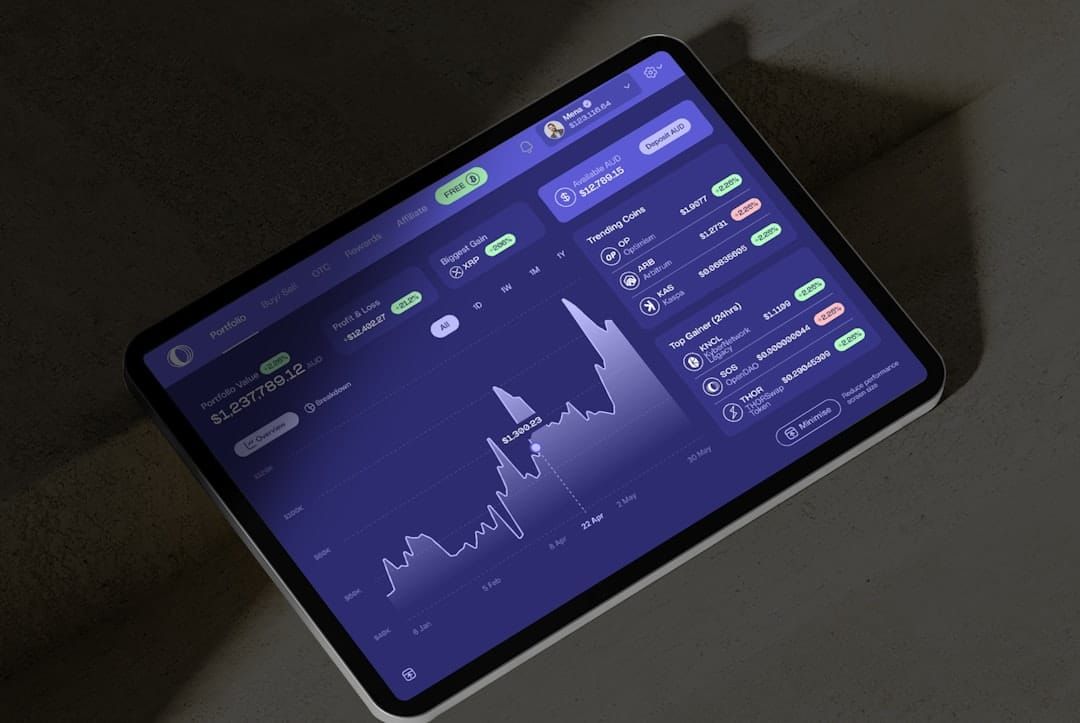
Imagine having a tireless trading assistant that monitors crypto markets 24/7, executes swaps in milliseconds, and optimizes your portfolio while you sleep. That's exactly what AI-powered DeFi trading delivers in 2026 — and 40% of on-chain transactions are now initiated by autonomous agents. AI DeFi trading uses artificial intelligence to automatically execute cryptocurrency swaps and optimize portfolios across decentralized exchanges, delivering 24/7 market monitoring with execution speed impossible for human traders.
Key Takeaways:AI DeFi agents reduced execution costs by 30% and improved yields by 12.3% compared to manual trading strategies in 2026.Major platforms like Walbi processed 187,000 autonomous trades in 14 weeks, with users creating 9,500 AI agents using no-code interfaces.AI agents execute trades in milliseconds versus minutes for human traders, capturing opportunities before market conditions change.The global crypto market reached $2.5 trillion in April 2026, with Bitcoin maintaining 57-59% dominance despite increased altcoin volatility.Successful AI trading requires configuring spending limits, permitted protocols, and risk parameters before autonomous execution begins.
Table of Contents
- What is AI DeFi Trading?
- How AI Trading Agents Actually Work
- 4 Proven AI Trading Strategies for 2026
- Best AI DeFi Platforms Compared
- Getting Started: Your First AI Trading Setup
- Risks and How to Stay Safe
- Frequently Asked Questions
What is AI DeFi Trading?
AI DeFi trading uses artificial intelligence to automatically execute cryptocurrency swaps and optimize your portfolio across decentralized exchanges (DEXs). Think of it like having a professional day trader working for you 24/7, but one that never gets tired, emotional, or distracted.
Here's the simple version: You tell an AI agent your goals (like "maximize my yield while keeping 20% in stablecoins"), set some safety rules, and it handles the rest. The AI monitors hundreds of trading pairs, calculates optimal swap routes, and executes trades faster than any human could.
Traditional trading looks like this: You check prices → analyze opportunities → manually execute swaps → hope you timed it right.
AI trading works differently: You set preferences → AI continuously monitors → automatically executes optimal trades → adjusts strategy based on results.
The technology has matured rapidly. By Q1 2026, AI agents were processing billions in trading volume across platforms like Ethereum, Polygon, and Solana. What started as experimental tools for crypto experts has become accessible to anyone with a DeFi wallet. For users seeking trustless cross-chain solutions, protocols like Teleswap enable Bitcoin transfers across chains using SPV light client verification, eliminating custodial risks present in traditional wrapped token approaches.
How AI Trading Agents Actually Work
AI trading agents follow a six-step process that happens in seconds, not minutes. According to 1inch's technical research, here's how it works:
Step 1: Intent Specification
You define your trading goal in plain English. Examples: "Swap USDC for ETH when price drops 5%" or "Rebalance my portfolio to 50% BTC, 30% ETH, 20% stablecoins." The AI translates this into executable smart contract instructions.
Step 2: Data Perception
The agent continuously ingests real-time data from hundreds of sources: DEX prices, liquidity pools, gas fees, trading volumes, and even social sentiment.
This happens every few seconds, giving the AI a complete market picture.
Step 3: Multi-Step Reasoning
Here's where AI shines. The agent calculates complex trade-offs instantly: Is it worth paying $15 in gas fees to capture a 0.3% price advantage? Should it split a large order across three DEXs to minimize slippage? These calculations happen in milliseconds.
Step 4: Autonomous Execution
When conditions meet your criteria, the agent executes trades automatically.
It routes through the most efficient path — maybe swapping on Uniswap, bridging to Polygon for lower fees, then completing the trade on QuickSwap. You don't have to do anything.
Step 5: Settlement & Verification
Your smart wallet handles the technical details while you retain final authority. You can set spending limits, approve specific protocols, and maintain veto power over major decisions.
Step 6: Continuous Adaptation
The agent learns from results and adjusts its strategy. If a particular DEX consistently offers better prices for your trades, it will prioritize that route in the future.
4 Proven AI Trading Strategies for 2026
Strategy 1: Dynamic Yield Farming
This strategy automatically moves your funds between lending protocols (Aave, Compound) and liquidity pools based on yield rates.
Walbi's beta users saw their agents execute 187,000 trades optimizing yields across chains. You deposit USDC and the AI monitors yield rates across 20+ protocols, automatically moving your funds when a better opportunity appears. It factors in gas costs, bridge fees, and lock-up periods to ensure moves are profitable.
Best for: Passive income seekers with $10,000+ portfolios who want steady returns without constant monitoring.
Strategy 2: Arbitrage Automation
AI agents excel at spotting price differences between exchanges and executing trades before opportunities disappear. The speed advantage is massive — agents react in milliseconds while humans need minutes.
Example: ETH trades at $3,200 on Uniswap but $3,215 on SushiSwap. The agent instantly buys on Uniswap, sells on SushiSwap, and pockets the $15 difference (minus gas fees). It might execute 50 such trades per day.
Best for: Active traders comfortable with higher transaction volumes and moderate risk.
Strategy 3: Portfolio Rebalancing
Set target allocations (like 60% BTC, 30% ETH, 10% stablecoins) and let the AI maintain them automatically. When Bitcoin rallies and your BTC allocation grows to 70%, the agent sells some BTC and buys ETH/stablecoins to restore balance.
This "buy low, sell high" approach captured significant value during 2026's volatile markets, where Bitcoin experienced 3-4% daily swings regularly. DEX aggregators help optimize rebalancing across multiple exchanges simultaneously, ensuring you capture the best execution prices during portfolio adjustments.
Best for: Long-term investors who want to maintain target allocations without constant manual adjustments.
Strategy 4: Cross-Chain Yield Optimization
This advanced strategy finds the highest yields across different blockchains and automatically bridges your funds when profitable. The AI calculates whether moving from Ethereum to Polygon or BSC justifies the bridging costs.
Real example: Compound offers 8% APY on Ethereum, but PancakeSwap offers 12% on BSC. The agent bridges your funds to BSC, captures the higher yield, then bridges back when rates change.
For Bitcoin users, protocols like Teleswap enable trustless BTC transfers across chains using SPV light client verification, eliminating the custodial risks of traditional wrapped Bitcoin solutions and WBTC liquidity risks.
Best for: Sophisticated users with larger portfolios ($50,000+) who want maximum yield extraction across chains.
Best AI DeFi Platforms Compared
Choosing the right platform depends on your experience level, portfolio size, and trading goals. Here's how the top options stack up:
| Platform | Best For | Setup Difficulty | Key Features | Pricing |
|---|---|---|---|---|
| Pionex | Beginners | Easy | Built-in bots, low fees, grid trading | Free + premium tiers |
| 3Commas | Intermediate traders | Moderate | DCA bots, multi-exchange, copy trading | $30-90/month |
| Cryptohopper | Custom strategies | Moderate-High | Strategy marketplace, backtesting | $19-99/month |
| SaintQuant | Passive income | Minimal | Fully managed, 1.2% daily average | Performance-based |
| Walbi | No-code users | Easy | Visual interface, 9,500+ agents created | Beta (pricing TBD) |
SaintQuant reported 1.2% daily average returns across 150,000+ active users in early 2026, though past performance doesn't guarantee future results. [NEEDS VERIFICATION: Independent third-party audit of these performance claims]
Factors to Consider
Portfolio Size: Platforms like Pionex work well for smaller portfolios ($1,000-$10,000), while advanced options like Cryptohopper benefit larger accounts that can absorb higher fees.
Technical Comfort: Pionex and Walbi offer simple interfaces perfect for beginners. 3Commas and Cryptohopper require more setup but provide greater customization.
Security Approach: All reputable platforms use API keys that don't allow withdrawals — they can only execute trades within your connected exchange account. Never share private keys or seed phrases.
Getting Started: Your First AI Trading Setup
Setting up your first AI trading agent is simpler than you might expect. Here's a step-by-step walkthrough using beginner-friendly principles:
Step 1: Choose Your Platform and Connect Exchange
Start with Pionex if you're new to crypto trading — it's free and has built-in bots.
Create an account and connect it to your preferred exchange using read-only API keys. This allows the bot to see your balances and execute trades but never withdraw funds.
Step 2: Define Your Trading Goals
Be specific about what you want to achieve:
- Conservative: "Maintain 50% BTC, 30% ETH, 20% USDC allocation"
- Moderate: "Yield farm stablecoins across top protocols, targeting 8%+ APY"
- Aggressive: "Grid trade ETH between $3,000-$3,500 range"
Step 3: Configure Safety Parameters
This is crucial for protecting your funds:
- Maximum trade size: Never risk more than 10% of your portfolio in a single trade
- Daily loss limits: Stop trading if daily losses exceed 2-3%
- Approved protocols: Only allow trades on established DEXs you trust
- Gas fee limits: Set maximum acceptable transaction costs
Step 4: Start Small and Monitor
Begin with 10-20% of your crypto portfolio while you learn how the system works. Monitor the agent's decisions for the first week to ensure it's behaving as expected.
Step 5: Scale Gradually
As you gain confidence and see consistent results, you can increase the portfolio allocation and explore more sophisticated strategies.
Risks and How to Stay Safe
AI trading isn't risk-free. Understanding potential pitfalls helps you make informed decisions and protect your capital.
Smart Contract Risks
AI agents execute trades through smart contracts, which can have bugs or vulnerabilities. Stick to well-audited platforms and never invest more than you can afford to lose.
Major platforms undergo regular security audits, but risks remain. Understanding cross-chain bridge security best practices is essential when AI agents execute multi-chain strategies.
Market Volatility
AI can't predict black swan events or sudden market crashes. During extreme volatility, even sophisticated algorithms may incur losses. The 2026 crypto market saw continued high volatility, with altcoins experiencing wider swings than Bitcoin.
Configuration Errors
Incorrectly configured bots can execute unwanted trades or fail to react to market changes. Always test with small amounts first and regularly review your agent's performance.
Platform-Specific Risks
- Centralized platforms: Risk of platform shutdown or account freezing
- API limitations: Exchange API downtime can prevent trading
- Fee accumulation: Small fees per trade can add up significantly over time
Best Practices for Safety
Never share private keys: Legitimate platforms only need read-only API access to your exchange account.
Diversify platforms: Don't put all your automated trading on one platform or exchange.
Regular monitoring: Check your agent's performance weekly and adjust parameters as needed.
Keep emergency funds: Maintain some crypto outside automated systems for manual trading opportunities. Learning to identify rug pull warning signs protects you from fraud when evaluating new AI platforms or trading protocols.
Frequently Asked Questions
How much money do I need to start AI DeFi trading?
You can start with as little as $500, but $2,000-$5,000 provides better results. Smaller amounts may be eaten up by transaction fees, especially on Ethereum. Consider starting on lower-fee chains like Polygon or BSC if you have a smaller budget. With lower fees, your AI agent's trades remain profitable instead of being consumed by gas costs.
Can AI trading bots guarantee profits?
No, AI trading bots cannot guarantee profits and past performance doesn't predict future results. While platforms like SaintQuant reported 1.2% daily averages, crypto markets are inherently volatile and all trading carries risk of loss. AI can improve execution speed and remove emotional decisions, but can't eliminate market risk or predict black swan events.
How do AI agents handle sudden market crashes?
AI agents follow pre-programmed rules during market volatility, including stop-losses and position limits. However, extreme events like flash crashes or exchange outages can cause significant losses before protective triggers execute. Most platforms include circuit breakers that halt trading when volatility exceeds certain thresholds, but protection isn't guaranteed during unprecedented market dislocations.
What's the difference between AI trading and regular trading bots?
AI trading uses machine learning to adapt strategies, while regular bots follow fixed rules. Traditional bots execute simple if-then commands ("buy when RSI drops below 30"), but AI agents analyze patterns, learn from results, and adjust their approach across multiple market conditions. This adaptability allows them to capture opportunities that rule-based bots would miss entirely.
Are my funds safe with AI trading platforms?
Reputable platforms use API keys that cannot withdraw funds, only execute trades within your exchange account. Your crypto remains in your exchange wallet, not with the AI platform. However, smart contract risks, platform outages, configuration errors, and unforeseen exchange issues can still cause losses. Only use well-established platforms with proper security audits and transparent operational histories.
How do AI agents work across different blockchains?
AI agents use bridges and cross-chain protocols to move funds between blockchains when profitable opportunities arise. They calculate whether yield differences or arbitrage opportunities justify bridging costs and execution risks. For Bitcoin specifically, protocols like Teleswap enable trustless cross-chain transfers using SPV light client proofs, avoiding the custodial risks of wrapped Bitcoin solutions like WBTC and other bridge-based approaches.
What happens if the AI platform shuts down?
If a platform shuts down, you retain access to funds in your connected exchange accounts, but automated trading stops immediately. This is why proper platforms never hold your crypto directly. However, you may lose access to trading history and detailed performance analytics, requiring you to manually manage positions that were being automatically rebalanced.
AI-powered DeFi trading represents a significant evolution in how we interact with cryptocurrency markets. The technology has matured from experimental tools to practical solutions that can genuinely improve trading outcomes through speed, consistency, and emotion-free execution.
The key to success isn't finding the "perfect" AI system — it's understanding your goals, starting conservatively, and gradually building expertise with the tools available. Whether you choose simple rebalancing or sophisticated cross-chain yield optimization, the most important step is getting started with proper risk management.
Ready to explore AI-powered trading strategies? Start with educational resources and paper trading to build confidence before committing real capital. For more insights on cross-chain DeFi innovations, trustless Bitcoin solutions, and advanced trading techniques, explore additional guides at academy.teleswap.xyz.