Rug Pull Detection: 7 Warning Signs to Spot Crypto Scams in 2026

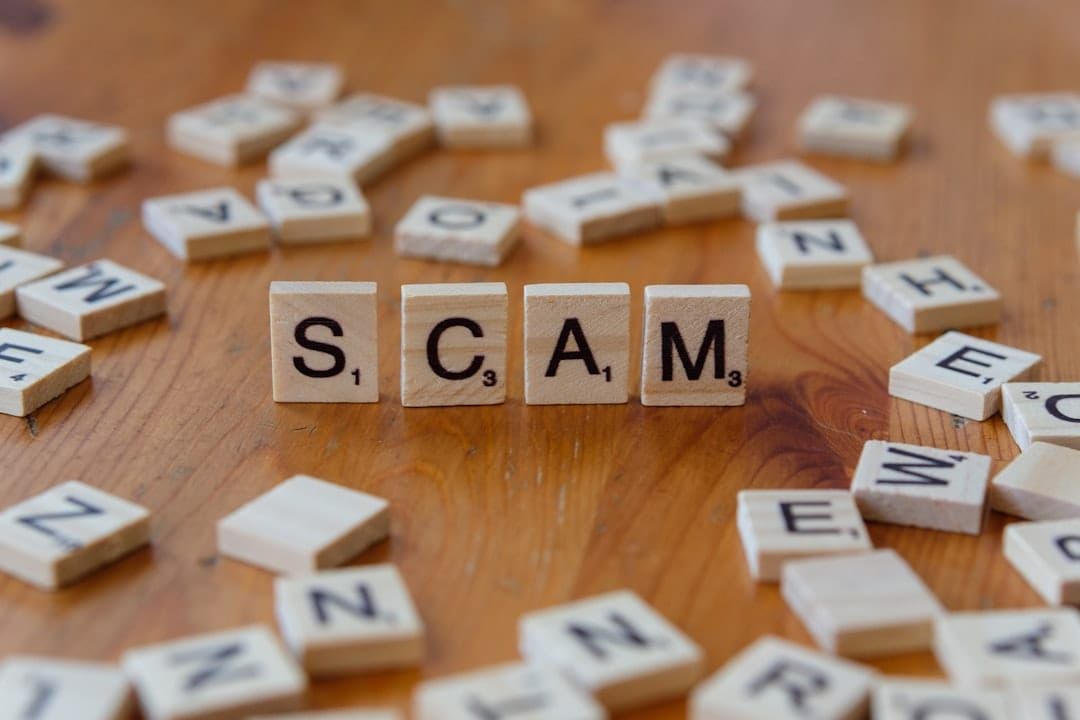
You've just discovered a new token with 10x potential. The website looks professional, the community is buzzing, and early investors are posting massive gains. But within hours, the price crashes to zero. The developers vanish. Your investment is gone.
Welcome to the devastating world of rug pulls — a rug pull is when developers suddenly withdraw all liquidity from a token's trading pool, causing the price to crash to zero and leaving investors with worthless tokens. The crypto equivalent of a magic trick where your money disappears, but there's nothing magical about losing your life savings.
Key Takeaways:A rug pull occurs when developers withdraw liquidity or abandon projects, leaving investors with worthless tokens — and liquidity theft is the most common type, where scammers drain all coins from the liquidity pool in minutes.Legitimate projects lock 80-100% of their liquidity for 3-5 years minimum to prove they won't execute sudden withdrawals, while projects with no locks or locks under one year present immediate red flags.Seven critical warning signs reveal rug pulls: no liquidity locks, developer-controlled locks, extremely low liquidity-to-market-cap ratios, concentrated liquidity from single wallets, sudden liquidity spikes, fake lock announcements, and liquidity concentrated on a single DEX.New AI detection tools in 2026 analyze behavioral patterns, developer wallet networks, and website authenticity (including AI-generated faces and plagiarized whitepapers) with greater accuracy than static code analysis alone.Recovery after a rug pull is extremely rare and nearly impossible due to the decentralized, anonymous nature of most projects — prevention through proper liquidity verification and research is your only reliable protection.
Table of Contents
- What Is a Rug Pull?
- How Rug Pulls Work: The Three-Stage Scam
- 7 Critical Liquidity Warning Signs
- Best Detection Tools for 2026
- How to Protect Yourself
- What to Do If You've Been Rugged
- Frequently Asked Questions
What Is a Rug Pull?
Imagine you're at a farmers market. A vendor sets up a beautiful stall, displays premium products, and builds a crowd of eager customers. Just as people start buying, the vendor suddenly packs everything up and disappears with everyone's money, leaving behind worthless trinkets.
A rug pull works the same way in crypto. It occurs when developers suddenly withdraw liquidity, abandon projects, or manipulate token supply, leaving investors with worthless tokens. The name comes from the phrase "pulling the rug out from under someone" — exactly what these scammers do to unsuspecting investors.
Here's what makes rug pulls particularly dangerous: they often target new, exciting projects where investors have FOMO (fear of missing out). The scammers create artificial hype, wait for the money to pour in, then vanish.
Types of Rug Pulls
Liquidity Stealing: The most common type. Developers withdraw all coins from the liquidity pool, crashing the token price to zero.
Limiting Sell Orders: Projects implement restrictions that prevent investors from selling their tokens, especially after a price pump.
Dumping Developer Tokens: Creators artificially inflate token prices through hype, then sell massive amounts of their own holdings.
How Rug Pulls Work: The Three-Stage Scam
Understanding the mechanics helps you spot the warning signs early. Every rug pull follows a predictable pattern:
Stage 1: The Setup
Scammers deploy a new token and create an initial liquidity pool on a decentralized exchange (DEX). Think of this pool as a trading post where people can buy and sell the token.
When they add liquidity, they receive Liquidity Pool (LP) tokens or NFTs that represent ownership of that liquidity. These LP tokens are the key to the entire scam — whoever holds them can withdraw the liquidity. The scammers keep these LP tokens while making the project look legitimate with professional websites, active social media, and compelling whitepapers.
Stage 2: The Pump
Marketing begins. The team promotes the token across social media, crypto forums, and influencer channels.
As more people buy, the liquidity pool fills with valuable assets (usually ETH, BNB, or other established cryptocurrencies). The token price keeps rising, creating more FOMO and attracting larger investments. This stage can last anywhere from hours to months, depending on how patient the scammers are and how much money they want to steal.
Stage 3: The Rug Pull
Once the scammers decide they've collected enough money, they execute the exit. They use their LP tokens to withdraw all the valuable cryptocurrencies from the liquidity pool.
Without liquidity, the token becomes worthless. Investors trying to sell find they can't — there's no one to buy from and no liquidity to convert back to valuable cryptocurrencies. According to Binance security research, these short-lived schemes can surge in value and vanish within hours or even minutes.
7 Critical Liquidity Warning Signs
Modern scammers have evolved. They create professional-looking projects that can fool even experienced investors. But liquidity patterns don't lie. Here are the seven warning signs that reveal suspicious projects:
1. No Liquidity Lock
This is the biggest red flag. Legitimate projects lock their liquidity for extended periods to prove they won't suddenly withdraw it.
With no liquidity lock on the token supply, nothing stops project creators from running off with the entirety of the liquidity. Reputable projects lock 80-100% of their liquidity for 3-5 years minimum. If you see no lock or locks shorter than one year, be extremely cautious.
2. Developer-Controlled Liquidity
Even if liquidity appears locked, who controls the lock keys matters enormously. Some projects announce liquidity locks but retain control through multi-signature wallets or smart contract functions that allow them to unlock liquidity early.
Developers can unlock liquidity at any time through "emergency functions" or similar mechanisms — this represents a critical red flag.
3. Extremely Low Liquidity Amounts
A token might have a market cap of $1 million but only $10,000 in actual liquidity. This creates an illusion of value while making it impossible for investors to exit with significant amounts.
Check this ratio: Market cap should not be more than 10x the liquidity amount. Higher ratios indicate potential manipulation.
4. Suspicious Liquidity Provider Patterns
Look at who's providing liquidity. In healthy projects, liquidity comes from multiple sources. In rug pulls, one or two wallets often provide most of the liquidity.
If 80%+ of liquidity comes from wallets connected to the development team, this presents a major warning sign.
5. Sudden Liquidity Changes
Monitor liquidity levels over time. Legitimate projects show steady or growing liquidity. Rug pulls often show sudden spikes (when they add liquidity to create hype) followed by complete withdrawals.
Use tools like DexScreener or similar platforms to track liquidity changes over 24-hour, 7-day, and 30-day periods.
6. Fake Liquidity Lock Announcements
Scammers have learned to fake liquidity lock announcements. They might show screenshots or links to lock contracts that either don't exist or can be bypassed.
Always verify independently: Don't trust screenshots. Check the actual blockchain transactions and smart contracts yourself using tools like Etherscan.
7. Liquidity Concentration on Single DEX
Legitimate projects typically distribute liquidity across multiple decentralized exchanges to ensure accessibility and reduce single points of failure.
If 100% of liquidity exists on one DEX, especially a smaller or newer one, this creates risks even for legitimate projects and makes rug pulls easier to execute. Be wary of projects with all their liquidity concentrated on a single platform.
Best Detection Tools for 2026
The good news? Technology has evolved to help investors identify rug pulls before they lose money. Here are the most effective tools available:
Automated Rug Pull Checkers
Rugcheck: Provides comprehensive smart contract analysis and liquidity checks across multiple blockchains.
GoPlus Security: Offers real-time token security scanning with detailed risk scores.
TokenSniffer: Specializes in detecting copied contracts and suspicious token mechanics.
Honeypot.is: Tests whether you can actually sell a token after buying it.
Quick Intel: Provides fast token analysis with focus on liquidity and holder distribution.
2026 AI-Powered Detection
The latest advancement in rug pull detection uses artificial intelligence to analyze behavioral patterns rather than just code. Behavioral AI analysis outperforms static code analysis because it can identify patterns from operators who know exactly how to evade traditional detection.
These AI tools analyze developer behavior patterns across multiple projects, wallet connection networks, social media activity patterns, and website and marketing material authenticity.
New 2026 browser extensions can analyze project websites for AI-generated faces and plagiarized whitepaper text, catching increasingly sophisticated scams before they drain liquidity pools.
Manual Investigation Checklist
While tools help, manual investigation remains crucial. Here's what to check:
Smart Contract Verification: Verify the contract is deployed on a blockchain explorer, the source code matches the compiled contract, and no hidden functions could drain liquidity.
Liquidity Analysis: Check the lock duration and amount, identify who controls the lock keys, and review distribution across multiple DEXs.
Team Background: Verify real identities of team members, check previous project history, and assess social media authenticity.
How to Protect Yourself
Prevention beats recovery every time. Here's your complete protection strategy:
Investment Rules
The 5% Rule: Never invest more than 5% of your crypto portfolio in any single new token, regardless of how promising it looks.
The 48-Hour Rule: Wait at least 48 hours after discovering a project before investing. This cooling-off period helps you avoid FOMO-driven decisions and gives you time for proper research.
The Exit Strategy Rule: Before buying, decide your exit points. Set profit-taking levels and stop-loss limits.
Research Methodology
Follow this step-by-step process for every investment:
Step 1: Run the token through at least two different rug pull detection tools.
Step 2: Verify liquidity locks independently on blockchain explorers.
Step 3: Check team backgrounds and social media presence authenticity.
Step 4: Join the project's community channels and assess the quality of discussions.
Step 5: Look for third-party audits from reputable firms.
Platform Safety
Choose your trading platforms wisely. Centralized exchanges like Binance, Coinbase, and Kraken have strict listing requirements that filter out most rug pulls, while decentralized exchanges allow anyone to list tokens, requiring more diligence from investors.
For cross-chain trading, use established bridges with proven track records. Teleswap provides non-custodial Bitcoin bridge services using SPV light client verification, avoiding the custodial risks present in many cross-chain solutions.
What to Do If You've Been Rugged
Despite your best efforts, you might still fall victim to a sophisticated rug pull. Here's your action plan:
Immediate Response (First 24 Hours)
Document everything: Take screenshots of the project website, social media posts, your transaction history, and any communications with the team.
Report the scam: File reports with relevant authorities and crypto security firms. While recovery is unlikely, reporting helps protect others.
Cut your losses: If any liquidity remains, consider selling immediately rather than hoping for recovery.
Learning and Moving Forward
Analyze what went wrong: Review your research process to identify missed red flags. Don't chase losses by making larger, riskier investments to recover quickly.
Share your experience with the crypto community. Post detailed warnings on social media, Reddit, and crypto forums — your experience could prevent others from losing money to the same scammers.
Frequently Asked Questions
How quickly can a rug pull happen?
Rug pulls can occur within minutes or even seconds once executed. According to Binance security research, these schemes can surge in value and vanish within hours or even minutes. However, the setup phase often takes weeks or months to build credibility and attract investors before the exit.
Can I recover my money after a rug pull?
Recovery is extremely rare and nearly impossible in most cases. Since rug pulls occur on decentralized platforms without central authority, there's no entity to reverse transactions. The anonymous nature of many projects makes legal action extremely difficult. Your best protection is prevention through thorough research and liquidity verification.
Are all new tokens potentially rug pulls?
No, but new tokens carry significantly higher risk than established projects. Many legitimate projects start as new tokens and grow into successful protocols. The key is distinguishing between genuine innovation and elaborate scams through proper due diligence on team backgrounds, tokenomics, and technical implementation.
What's the difference between a rug pull and a failed project?
Intent and execution method distinguish rug pulls from legitimate project failures. Failed projects typically maintain transparency, communicate with investors, and don't suddenly withdraw all liquidity. Rug pulls involve deliberate deception and coordinated exits specifically designed to steal investor funds.
How long should liquidity be locked to avoid rug pulls?
Legitimate projects typically lock liquidity for 3-5 years minimum. Industry standards recommend locking 80-100% of liquidity for this duration. Shorter lock periods or no locks at all represent significant red flags for potential rug pulls.
Can established tokens still perform rug pulls?
Yes, though it's less common with truly established tokens. Some projects build credibility over months or years before executing exit scams. However, tokens with genuine utility, large communities, and distributed ownership become increasingly difficult to rug as they mature and gain institutional adoption.
Do rug pull detection tools guarantee safety?
No tool provides 100% guarantee against sophisticated scams. Detection tools can produce false positives, flagging legitimate but new tokens with thin liquidity as suspicious. Use multiple tools combined with manual research for best protection.
Rug pulls represent one of crypto's most devastating scams, but they're not inevitable. By understanding liquidity patterns, using detection tools, and maintaining disciplined investment practices, you can protect yourself from these sophisticated schemes.
Remember: if an investment opportunity seems too good to be true and promises guaranteed returns, it probably is. The crypto space offers genuine opportunities for growth, but success comes through careful research, risk management, and patience — not chasing the latest hyped token.
Stay vigilant, invest responsibly, and always prioritize security over potential gains. Your future self will thank you.
Ready to explore secure crypto trading? Learn more about risk management and safe trading practices at academy.teleswap.xyz.