How to Earn Bitcoin by Staking TST: Complete Guide


What if you could earn real Bitcoin just by holding tokens in your wallet? While traditional Bitcoin "staking" doesn't exist (Bitcoin uses proof-of-work, not proof-of-stake), you can earn BTC through innovative protocols like Teleswap. By staking TST tokens on Teleswap—a non-custodial Bitcoin bridge protocol—you receive a share of Bitcoin generated from actual protocol usage. There are no custodians, no complex DeFi strategies, just straightforward revenue sharing from cross-chain transactions.
Key Takeaways:TST staking on Teleswap allows you to earn actual Bitcoin rewards from protocol fees, with $344,247 in annualized fees distributed to stakers.Half of Teleswap's revenue from cross-chain Bitcoin transactions goes directly to TST stakers who choose the Bitcoin Locker option.Rewards are claimable instantly with no lock-up period, though unstaking TST requires a waiting period during which you continue earning.You can acquire TST on Uniswap and stake it at app.teleswap.xyz/staking to start earning Bitcoin immediately upon deposit.Unlike traditional Bitcoin lending platforms, TST staking is non-custodial — you maintain control of your tokens while earning BTC rewards.
Table of Contents
- What is TST Staking and How Does It Work?
- How TST Staking Generates Bitcoin Rewards
- Step-by-Step Guide to Stake TST and Earn Bitcoin
- Understanding Rewards, Fees, and Protocol Revenue
- Risks and Important Considerations
- TST Staking vs Other Bitcoin Earning Methods
- Frequently Asked Questions
What is TST Staking and How Does It Work?
Think of TST staking like owning shares in a profitable business. When you stake TST (Teleport System Token) on Teleswap, you become a partial owner who receives dividends from the protocol's earnings.
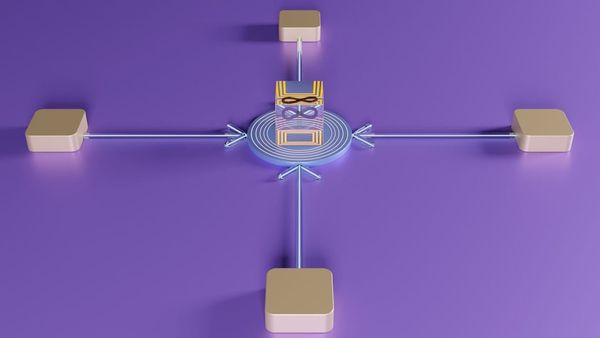
Here's the simple explanation: Teleswap is a non-custodial Bitcoin bridge that helps people move BTC across different blockchains like Ethereum, Polygon, and BSC without trusting a centralized custodian. Every time someone uses this service, they pay fees. Instead of keeping all these fees, Teleswap shares half of them with people who stake TST tokens.
The beauty of this system is its simplicity. You don't need to understand complex DeFi strategies or manage multiple positions. You buy TST, stake it for the "Bitcoin Locker," and start receiving BTC rewards immediately.
TST serves as both a governance token and a utility token within the Teleswap ecosystem. According to official documentation, TST holders can participate in protocol governance while earning revenue through staking. The token has a clear utility beyond speculation — it's your ticket to earning from Teleswap's growth.
How TST Staking Generates Bitcoin Rewards
The Bitcoin earning mechanism works through Teleswap's "Locker" system. When you stake TST, you choose which Locker to stake for — and the Bitcoin Locker is where the magic happens for BTC earnings.
Every cross-chain Bitcoin transaction on Teleswap generates fees. According to DeFiLlama data, Teleswap processed $171.88 million in cumulative bridge volume and $36.05 million in DEX volume, generating $237,139 in total fees. Half of these ongoing fees flow to TST stakers.
The revenue-sharing model is straightforward: A user performs a Bitcoin bridge or swap transaction → Teleswap collects a fee for the service → 50% of that fee goes to the protocol treasury → 50% gets distributed to TST stakers proportionally.
This creates a direct correlation between protocol usage and your earnings. As recent data shows, Teleswap generated $28,217 in fees over the past 30 days, meaning stakers collectively earned approximately $14,108 in Bitcoin during that period. The key advantage here is that you're earning actual Bitcoin, not another token that you need to convert.
Step-by-Step Guide to Stake TST and Earn Bitcoin
Ready to start earning Bitcoin through TST staking? Here's the complete walkthrough, designed for crypto beginners:
Step 1: Acquire TST Tokens
TST is primarily available on Uniswap, Ethereum's largest decentralized exchange. You'll need ETH in your wallet to purchase TST and pay for gas fees.
First, connect your wallet (MetaMask, Trust Wallet, etc.) to Uniswap. Search for "TST" or use the contract address from Teleswap's documentation. Swap ETH for your desired amount of TST, confirm the transaction, and wait for blockchain confirmation.
Pro tip: Check Ethereum gas prices before buying. During high-traffic periods, gas fees can be $20-50 per transaction.
Step 2: Navigate to Teleswap Staking
Visit app.teleswap.xyz/staking and connect your wallet containing the TST tokens. The interface will display your available TST balance and current staking options.
Step 3: Choose the Bitcoin Locker
This is crucial — you must select the "Bitcoin Locker" option to earn BTC rewards. Other lockers distribute different tokens, but we're specifically targeting Bitcoin earnings.
Step 4: Stake Your TST
Enter the amount of TST you want to stake. Approve the spending allowance (this is a security feature that allows the contract to transfer your tokens). Confirm the staking transaction and wait for blockchain confirmation.
Once confirmed, you immediately start earning Bitcoin rewards. There's no waiting period for rewards to begin accruing.
Step 5: Monitor and Claim Rewards
Your Bitcoin rewards accumulate in real-time based on Teleswap's transaction volume. You can claim these rewards instantly — there's no lock-up period on the rewards themselves, only on the principal TST amount.
Remember that while you can claim rewards anytime, unstaking your TST requires a waiting period. During this unstaking period, you continue earning rewards but cannot withdraw your principal.
Understanding Rewards, Fees, and Protocol Revenue
Let's break down the economics with real numbers. Based on current DeFiLlama data, here's how TST staking rewards work:
| Timeframe | Protocol Fees | Estimated Staker Share (50%) |
|---|---|---|
| 24 Hours | $603 | ~$301 |
| 7 Days | $5,225 | ~$2,612 |
| 30 Days | $28,217 | ~$14,108 |
| Annualized | $344,247 | ~$172,123 |
With approximately $18,540 worth of TST currently staked, the theoretical APY for Bitcoin rewards would be substantial — around 900% annualized based on recent fee generation. However, there's an important caveat: These are theoretical calculations. Actual reward distribution may vary based on implementation details, and early-stage protocols often have volatile fee generation.
What Drives Higher Rewards?
Your Bitcoin earnings increase when bridge volume grows (more people using Teleswap for cross-chain Bitcoin transfers), DEX activity increases (higher trading volume on Teleswap's decentralized exchange), or fewer people stake (rewards are distributed among fewer participants).
This creates interesting dynamics. As a TST staker, you benefit from Teleswap's growth while potentially earning higher yields during the protocol's early adoption phase. You can learn more about similar mechanisms in our guide on yield farming vs token equity models.
Fee Structure Transparency
Unlike traditional financial products with hidden fees, TST staking operates on transparent blockchain transactions. Every fee collection and reward distribution is verifiable on-chain. You can track your exact earnings and verify that the 50% revenue share is being implemented correctly.
Risks and Important Considerations
While TST staking offers attractive Bitcoin earning potential, it's important to understand the risks before investing.
Smart Contract Risk
TST staking relies on smart contracts to distribute rewards and manage unstaking periods. Smart contracts can have bugs or vulnerabilities that could result in loss of funds. Teleswap is a relatively new protocol compared to established platforms. For context on DeFi protocol vulnerabilities, review our analysis of the Drift Protocol hack and social engineering attack.
Unstaking Periods and Liquidity Risk
When you decide to unstake your TST, there's a waiting period during which your tokens are locked. The exact duration isn't specified in available documentation, which creates uncertainty about liquidity access. During this period, you continue earning rewards but cannot access your principal.
Protocol Risk and Adoption
Your Bitcoin earnings depend entirely on Teleswap's success. If fewer people use the protocol, fee generation decreases, directly impacting your rewards. With current TVL at $278,918, Teleswap is still in early adoption compared to major DeFi protocols.
TST Token Price Risk
While you earn Bitcoin rewards, your principal is held in TST tokens. If TST's price falls significantly, your Bitcoin earnings might not offset the principal loss. This is different from direct Bitcoin holding where your principal and rewards are in the same asset.
Regulatory Considerations
Staking rewards are typically considered taxable income in most jurisdictions. Keep detailed records of your Bitcoin rewards for tax reporting purposes. The regulatory landscape for DeFi protocols continues evolving, which could impact future operations.
Risk Management Tips: Start with a small amount to test the process. Don't stake more than you can afford to lose. Monitor protocol development and community activity. Consider TST staking as part of a diversified crypto strategy.
TST Staking vs Other Bitcoin Earning Methods
How does TST staking compare to other ways of earning Bitcoin? Here's a comprehensive analysis:
| Method | Potential APY | Custody | Complexity | Minimum |
|---|---|---|---|---|
| TST Staking | High (theoretical 900%+) | Non-custodial | Medium | Any amount |
| Kraken Staking | 4-6% | Custodial | Low | 0.00001 BTC |
| Nexo Lending | 3-8% | Custodial | Low | $1 |
| Ethereum DeFi (wBTC) | 2-15% | Non-custodial | High | Gas fees apply |
| Bitcoin Lightning | 1-5% | Non-custodial | High | Technical setup |
Advantages of TST Staking
Earn actual Bitcoin: Unlike many DeFi protocols that pay rewards in their native token, TST staking pays directly in BTC. Non-custodial control: You maintain control of your assets, unlike centralized lending platforms where you deposit BTC and trust the platform.
Scalable rewards: As Teleswap grows, your Bitcoin earnings increase proportionally. Instant reward claims: No waiting periods for accessing your earned Bitcoin.
Disadvantages Compared to Alternatives
Protocol maturity: Established platforms like Kraken have longer track records and regulatory compliance. Liquidity limitations: The unstaking period creates liquidity constraints not found in traditional Bitcoin savings accounts.
Complexity: Requires understanding of DEXs, token bridging, and DeFi protocols. For a broader understanding of cross-chain architecture, see our guide on cross-chain DeFi and bridge complexity.
For beginners seeking Bitcoin exposure with minimal complexity, centralized platforms might be more suitable. However, if you're comfortable with DeFi and want to earn Bitcoin while maintaining self-custody, TST staking offers a compelling alternative.
The key is understanding that TST staking is essentially a bet on Teleswap's growth. If the protocol succeeds in capturing significant cross-chain Bitcoin volume, early stakers could see substantial Bitcoin rewards. If adoption stagnates, rewards will be minimal.
Ready to start earning Bitcoin through TST staking? Visit app.teleswap.xyz/staking to begin your journey into non-custodial Bitcoin yield generation.
Frequently Asked Questions
How much Bitcoin can I earn by staking TST?
Your Bitcoin earnings depend on Teleswap's fee generation and your proportion of total staked TST. Based on current data showing $344,247 in annualized fees with approximately $18,540 staked, theoretical APY could exceed 900%. However, actual returns will vary based on protocol usage and the number of other stakers. Early adopters with larger stakes during low-adoption periods could see exceptional returns, while later stakers will experience diminished yields as more capital enters the protocol.
Is there a minimum amount of TST required for staking?
There is no specified minimum TST amount for staking. You can stake any amount you own, though you'll need to pay Ethereum gas fees for the staking transaction. Consider gas costs relative to your stake size to ensure profitability. If gas fees are $30-50 and you're staking a small amount, make sure your projected annual Bitcoin earnings exceed the transaction costs.
How long does it take to unstake TST tokens?
TST unstaking is subject to a waiting period, though the exact duration is not specified in available documentation. During this unstaking period, you continue earning Bitcoin rewards but cannot withdraw your principal TST tokens. After the period ends, you can complete the unstaking process at any time. The waiting period is likely implemented to prevent gaming of the rewards distribution mechanism.
Can I lose money staking TST for Bitcoin rewards?
Yes, you face smart contract risk, TST token price risk, and potential protocol failure risk. While you earn Bitcoin rewards, your principal remains in TST tokens. If TST's price falls significantly or the smart contract has vulnerabilities, you could lose money despite earning Bitcoin rewards. For example, if you stake TST worth $10,000 and earn 3 BTC in rewards but TST falls 80%, your principal drops to $2,000—a net loss of $8,000 even with Bitcoin gains.
How do I claim my Bitcoin staking rewards?
Bitcoin rewards are claimable instantly through the Teleswap staking interface without any lock-up period. Simply visit app.teleswap.xyz/staking, connect your wallet, and click the claim button. You'll pay a small gas fee for the transaction, and the Bitcoin will be deposited to your wallet within minutes. Unlike your TST principal, rewards can be claimed and withdrawn at any time.
Is TST staking better than traditional Bitcoin lending platforms?
TST staking offers non-custodial control and potentially higher yields but comes with increased complexity and risk. Traditional platforms like Kraken offer 4-6% APY with regulatory compliance and customer support, while TST staking could theoretically yield much higher returns but requires DeFi knowledge and risk tolerance. If you're risk-averse or new to crypto, centralized platforms are safer. If you understand DeFi and want to earn Bitcoin without intermediaries, TST staking aligns better with those goals.
Where can I buy TST tokens for staking?
TST is primarily available on Uniswap, Ethereum's largest decentralized exchange. You'll need ETH in your wallet to purchase TST and pay for gas fees. TST isn't currently listed on major centralized exchanges, so Uniswap is the recommended acquisition method. Ensure you're using the correct contract address from Teleswap's official documentation to avoid counterfeit tokens.