Cardano Bitcoin Swap: Complete Guide to Trustless Cross-Chain DeFi

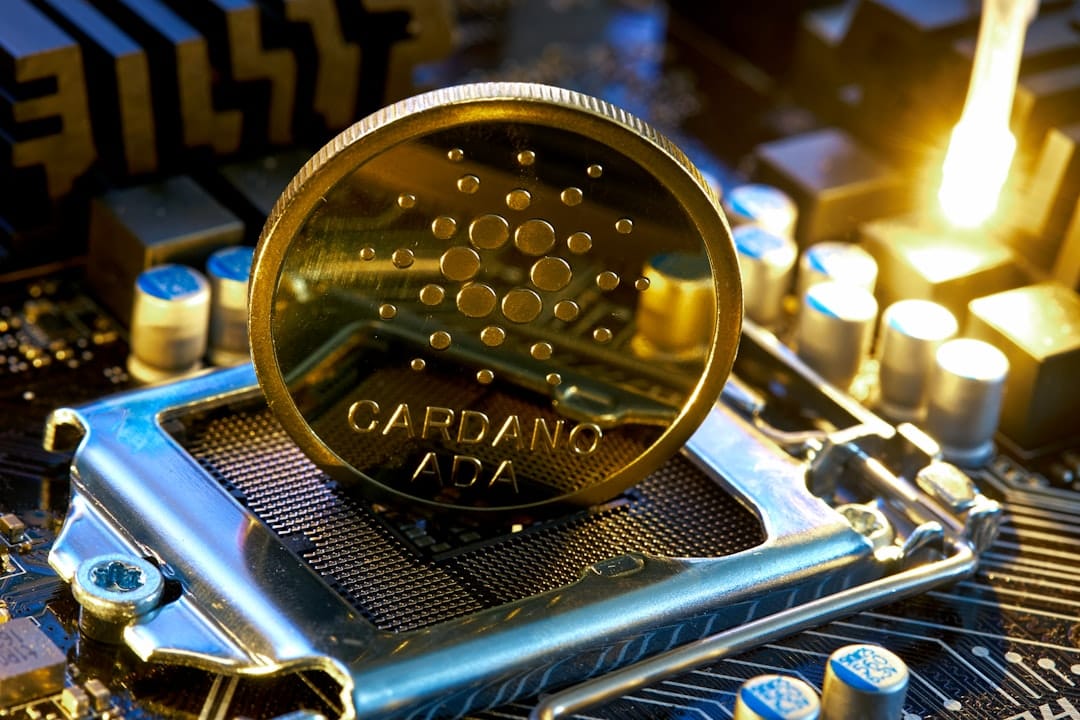
Imagine swapping your Bitcoin for Cardano's ADA token without trusting a centralized exchange, custodian, or bridge operator. Until recently, this seemed impossible — Bitcoin and Cardano operate on completely different blockchains with incompatible technologies. But on March 25, 2026, something historic happened: the first trustless Bitcoin-to-Cardano atomic swap executed on mainnet, proving that truly decentralized cross-chain swaps are now reality. A trustless Bitcoin-Cardano swap is a peer-to-peer transaction using Hashed Timelock Contracts (HTLCs) that guarantees both parties receive their desired assets or automatically refund, with zero custody risk and no intermediaries required.
Key Takeaways:The first trustless Bitcoin-Cardano atomic swap executed on March 25, 2026, swapping 50 ADA for 0.0001 BTC without custodians or bridges.Atomic swaps use Hashed Timelock Contracts (HTLCs) — the same technology powering Bitcoin's Lightning Network — to ensure all-or-nothing settlement.Cardano's LayerZero integration connects it to 160+ blockchains with $200+ billion in cross-chain volume, potentially unlocking $80 billion in omnichain assets.Multiple trustless bridge technologies now enable Bitcoin DeFi on Cardano, including recursive zero-knowledge proofs and direct peer-to-peer swaps.Unlike custodial solutions, trustless bridges maintain Bitcoin's core security properties while enabling cross-chain functionality.
Table of Contents
- Understanding the Basics: Why Cross-Chain Swaps Matter
- How Atomic Swaps Work: The Trust-Minimized Solution
- 5 Ways to Swap Bitcoin and Cardano Trustlessly
- Why Cardano Enables Bitcoin DeFi Better Than Other Chains
- Comparing Trustless vs Custodial Bitcoin Bridges
- Step-by-Step: Your First Trustless Bitcoin-Cardano Swap
- Risks and Considerations
- Frequently Asked Questions
Understanding the Basics: Why Cross-Chain Swaps Matter
Think of different blockchains like different countries with their own currencies and banking systems. Bitcoin operates like a highly secure digital gold vault, while Cardano functions more like a programmable financial ecosystem with smart contracts and DeFi applications.
Traditionally, moving value between these "countries" required trusted intermediaries — like centralized exchanges or bridge operators who hold your assets while facilitating the swap. This creates several problems:
- Custodial risk: You must trust a third party not to steal, freeze, or lose your funds
- Single points of failure: If the bridge gets hacked or goes offline, your assets are at risk
- High fees: Intermediaries charge premium rates for their services
- Censorship risk: Centralized operators can block or reverse your transactions
Cross-chain DeFi aims to solve these problems by enabling direct, trustless swaps between different blockchain assets. When we say "trustless," we mean you don't need to trust any human or organization — the technology itself guarantees the swap will either complete successfully for both parties or safely refund everyone involved. As detailed in our comprehensive guide to Bitcoin bridge platforms, the shift from custodial to trustless solutions represents a fundamental advancement in DeFi security architecture.
How Atomic Swaps Work: The Trust-Minimized Solution
An atomic swap is like a secure digital handshake between two people who don't trust each other. Here's how it works using a simple analogy:
Imagine Alice wants to trade her Bitcoin for Bob's Cardano ADA. They use a special digital lockbox system:
- Alice creates a lockbox containing her Bitcoin, secured with a secret password only she knows
- Alice shares the lockbox (but not the password) with Bob, proving she has the Bitcoin
- Bob creates his own lockbox containing his ADA, using the same password system as Alice
- Alice unlocks Bob's box to claim her ADA, which automatically reveals the password
- Bob uses the revealed password to unlock Alice's box and claim the Bitcoin
The "atomic" part means this process is all-or-nothing: either both parties successfully get their desired assets, or the lockboxes automatically refund the original owners after a time limit expires.
Technically, this system uses Hashed Timelock Contracts (HTLCs) — the same technology powering Bitcoin's Lightning Network for scalable peer-to-peer payments. As confirmed by the March 2026 mainnet execution, HTLCs eliminate counterparty risk entirely: "No cheating possible; counterparty risk eliminated."
5 Ways to Swap Bitcoin and Cardano Trustlessly
The cross-chain landscape has evolved rapidly. Here are the five primary methods for trustless Bitcoin-Cardano swaps:
1. Direct Atomic Swaps (FluidTokens)
How it works: Peer-to-peer script-to-script swaps using HTLCs
First mainnet execution: March 25, 2026 (50 ADA for 0.0001 BTC)
Key advantage: No intermediary infrastructure required
Best for: Direct peer-to-peer trading
2. Zero-Knowledge Proof Bridges (Charms Protocol)
How it works: Recursive zero-knowledge proofs enable native asset transfer
Launch date: March 18, 2026
Key advantage: No wrapping — actual BTC becomes native on Cardano
Best for: Using Bitcoin in Cardano DeFi applications
3. LayerZero Integration
How it works: Cross-chain messaging system connecting 160+ blockchains
Announcement: February 12, 2026
Key advantage: Access to $80 billion in omnichain assets
Best for: Multi-chain portfolio management
4. Wanchain Bridge (WanBridge)
How it works: Lock, mint, burn, unlock mechanism secured by Bridge Node Group
Key advantage: No centralized third parties
Best for: Cross-chain liquidity provision
5. Automated DEX Routing (Rubic Exchange)
How it works: Automated protocol calls with integrated relayers
Key advantage: Single-transaction cross-chain swaps
Best for: Beginners wanting simple UX
Why Cardano Enables Bitcoin DeFi Better Than Other Chains
Cardano's architecture provides unique advantages for Bitcoin integration that other blockchains struggle to match.
Extended UTXO Model (eUTXO)
While Ethereum uses an account-based model (like a bank account), Cardano uses an Extended UTXO model similar to Bitcoin but with smart contract capabilities. This creates natural compatibility:
- Deterministic execution: Transaction outcomes are predictable before execution
- Parallel processing: Multiple transactions can process simultaneously without conflicts
- Lower fees: More efficient resource usage than Ethereum's gas model
According to recent analysis, Cardano's eUTXO architecture "provides deterministic and scalable approach to complex smart contracts" that made trustless cross-chain protocols technically feasible. This contrasts sharply with Ethereum's account model, which requires sequential transaction ordering and creates more complex gas dynamics that hinder atomic swap efficiency.
Native Bitcoin DeFi Integration
Once Bitcoin assets reach Cardano through trustless bridges, they can interact with the entire DeFi ecosystem. Bitcoin DeFi solutions like Babylon vaults demonstrate how native Bitcoin can generate yield within interconnected protocols.
- DEX Trading: MinSwap, SundaySwap, C-Swap
- Lending/Borrowing: Native lending protocols
- Liquidity Provision: Earn fees by providing Bitcoin-ADA liquidity
- Perpetuals Trading: Delta DeFi running on Hydra Layer 2
Comparing Trustless vs Custodial Bitcoin Bridges
Here's how different Bitcoin bridge solutions compare across key metrics:
| Bridge Type | Trust Model | Security Method | Typical Fees | Transaction Time | Custody Risk |
|---|---|---|---|---|---|
| Atomic Swaps | Trustless | HTLCs + Timelock | Network fees only | 10-60 minutes | None |
| Charms Protocol | Trust-minimized | ZK Proofs | 0.1-0.3% | 15-30 minutes | Minimal |
| Teleswap | Trustless | SPV Light Client | 0.2-0.5% | 10-20 minutes | None |
| WBTC | Custodial | Multi-sig Committee | 0.25% mint/burn | 2-5 minutes | High |
| Centralized Exchanges | Fully Custodial | Internal Systems | 0.1-0.25% | Instant | Very High |
Key insight: While custodial solutions offer faster transactions, they require trusting third parties with potentially billions in assets. The March 2026 atomic swap execution proved trustless alternatives can achieve similar functionality with zero custody risk.
Teleswap, a non-custodial Bitcoin bridge using SPV light client verification, provides trustless BTC swaps across Ethereum, Base, Polygon, Arbitrum, and other major chains — maintaining Bitcoin's security properties without custodians or committees. This approach contrasts with common DeFi swap mistakes that often arise from using custodial intermediaries.
Step-by-Step: Your First Trustless Bitcoin-Cardano Swap
Here's how to execute your first trustless Bitcoin-Cardano swap using the FluidTokens platform:
Prerequisites
- Bitcoin wallet with BTC balance (minimum ~0.001 BTC recommended for fees)
- Cardano wallet (Daedalus, Yoroi, or compatible)
- Basic understanding of transaction fees on both networks
Step 1: Connect Your Wallets
Navigate to the FluidTokens platform and connect both your Bitcoin and Cardano wallets. The platform will verify you control both addresses without accessing your private keys.
Step 2: Specify Swap Parameters
Enter the amounts you want to swap. For example:
- Send: 0.01 BTC
- Receive: ~2,857 ADA (based on current exchange rates)
- Fee rate: 15-25 sat/vB (adjust based on Bitcoin network congestion)
Step 3: Generate HTLC Contracts
The platform creates the hashed timelock contracts on both chains. You'll see:
- Bitcoin contract address (where you'll send your BTC)
- Cardano contract address (where counterparty sends ADA)
- Timeout period (typically 24-48 hours)
- Secret hash (shared between both contracts)
Step 4: Fund the Contracts
Send your Bitcoin to the generated contract address. Wait for your counterparty to fund the Cardano contract. Both transactions must confirm before proceeding.
Step 5: Claim Your ADA
Once both contracts are funded, claim your ADA from the Cardano contract. This reveals the secret needed to unlock the Bitcoin contract.
Step 6: Counterparty Claims Bitcoin
Your counterparty uses the revealed secret to claim the Bitcoin. The swap is now complete with both parties receiving their desired assets.
Safety note: Never send funds directly to another person's wallet address. Always use the proper HTLC contract system to ensure atomicity.
Risks and Considerations
While trustless swaps eliminate custody risk, they introduce other considerations:
Technical Complexity
Atomic swaps require more technical knowledge than centralized exchanges. Users must understand timelock mechanisms, monitor multiple blockchains, handle transaction fee estimation, and manage backup recovery procedures.
Liquidity Limitations
Peer-to-peer atomic swaps require finding willing counterparties. Unlike centralized exchanges with order books, you need someone who wants exactly the opposite trade at the same time.
Network Congestion Risk
During high network usage, transaction fees can spike unexpectedly. If Bitcoin fees rise significantly during your swap, you might pay more than anticipated or face transaction delays.
Time-Sensitive Operations
HTLCs have built-in timeouts (usually 24-48 hours). If you don't claim your assets within the timeout window, the contracts automatically refund, but you've still paid network fees.
Interface Reliability
Early-stage protocols may have bugs or UI issues. Always test with small amounts first and keep transaction records for troubleshooting.
Risk mitigation: Start with small test swaps, use established platforms with proven track records, and never invest more than you can afford to lose while these technologies mature. Understanding why band-aid cross-chain solutions fail can help you identify genuinely trustless implementations versus inadequate alternatives.
Frequently Asked Questions
How long does a trustless Bitcoin-Cardano swap take?
Most trustless swaps complete within 10-60 minutes, depending on network congestion and confirmation requirements. Atomic swaps typically need 1-3 Bitcoin confirmations and 1-2 Cardano confirmations before funds can be claimed. During high network usage, this process may extend to several hours, but the HTLC timeout ensures you're never permanently stuck. The exact timing depends on current Bitcoin network fee pressure and Cardano's transaction throughput at the time of your swap.
What fees should I expect for cross-chain Bitcoin swaps?
Total fees typically range from 0.1% to 0.5% of the swap amount, plus network transaction fees. This includes Bitcoin mining fees (currently 15-50 sat/vB), Cardano transaction fees (~0.17 ADA), and any protocol fees charged by the bridge operator. During network congestion, Bitcoin fees can spike significantly higher. Protocol fees vary by platform: atomic swaps on FluidTokens charge network fees only, while ZK proof bridges like Charms charge 0.1-0.3%.
Is it safe to use trustless bridges compared to centralized exchanges?
Trustless bridges eliminate custody risk but introduce technical complexity and potential smart contract vulnerabilities. Unlike centralized exchanges where you must trust the operator not to steal funds, trustless bridges use cryptographic proofs to guarantee execution. However, early-stage protocols may have bugs, and user error can result in permanent fund loss. Your security depends on understanding the specific technology: HTLC-based atomic swaps have been battle-tested for years, while newer ZK proof bridges are still being audited.
Can I use my Bitcoin in Cardano DeFi applications after swapping?
Yes, Bitcoin bridged to Cardano through protocols like Charms becomes a native token that works with all Cardano DeFi applications. You can trade on DEXs like MinSwap and SundaySwap, provide liquidity for fees, participate in lending protocols, and even use leveraged trading on platforms like Delta DeFi running on Hydra Layer 2. The key difference is that wrapped tokens (like WBTC) and native bridged BTC behave identically on Cardano once they arrive.
What happens if the atomic swap fails or times out?
If an atomic swap times out, both parties automatically receive refunds of their original assets. HTLCs include built-in timelock mechanisms (typically 24-48 hours) that prevent funds from being permanently locked. However, you'll still pay network transaction fees for the failed swap attempt, so ensure you understand the timeout conditions before starting. The refund process is automatic and requires no additional action from either party.
How does Cardano compare to other chains for Bitcoin DeFi?
Cardano's Extended UTXO model provides better Bitcoin compatibility than Ethereum's account-based system, enabling more efficient and predictable cross-chain operations. While Ethereum has more mature DeFi infrastructure, Cardano's deterministic execution and lower fees make it attractive for Bitcoin holders seeking DeFi exposure without high gas costs. Cardano can process multiple Bitcoin transactions in parallel without conflicts, whereas Ethereum must serialize transactions, creating bottlenecks during network congestion.
Do I need to KYC or provide identity verification for trustless swaps?
No, trustless atomic swaps are peer-to-peer and require no identity verification, KYC, or account registration. You interact directly with smart contracts using your own wallets, maintaining the same privacy and sovereignty as regular Bitcoin and Cardano transactions. This is a key advantage over centralized exchanges that require extensive personal information. Your transaction history remains visible on the blockchain, but your identity remains pseudonymous.
The future of cross-chain DeFi is trustless, and the March 2026 Bitcoin-Cardano atomic swap milestone proves we're already there. As these technologies mature and user interfaces improve, expect trustless bridges to become the standard for moving value between blockchains.
Ready to explore trustless Bitcoin swaps across multiple chains? Visit Teleswap to experience Bitcoin DeFi without custodians, wrapped tokens, or centralized intermediaries — just pure cryptographic guarantees.